
The Orbital
Propulsive Module.
Vertue OPM is a space transportation module based on chemical propulsion with green propellants. It integrates main propulsion and attitude control, supports optimal propellant loading from 200 kg to over 2000 kg, and may be equipped with a General Avionics Canister to become fully autonomous for space missions.
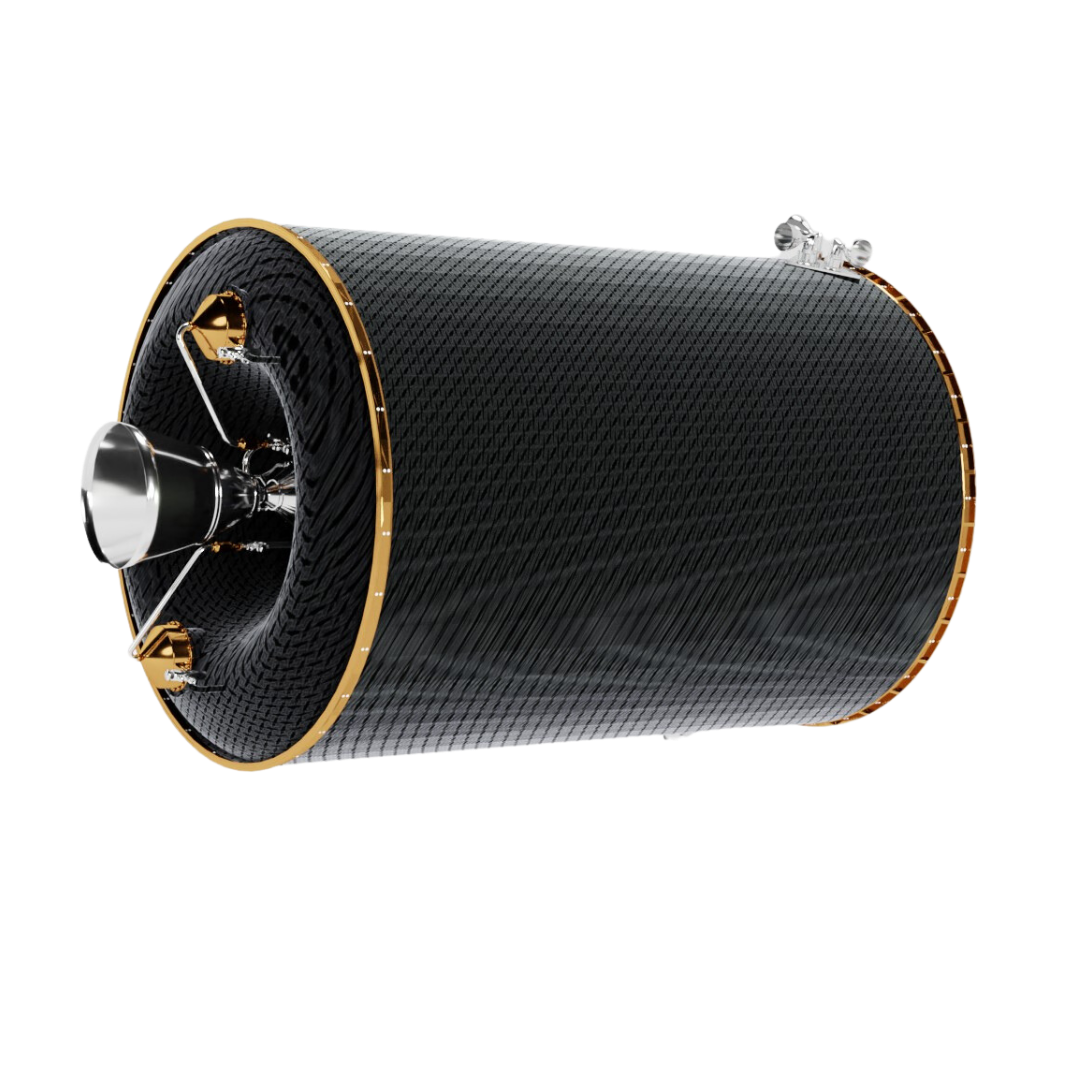
Main propulsion and system integration
- Main Engine
- Green pump-fed main engine (MPGE)
- Throttleability up to 4 kN
- Integrated Attitude Orbital Control System
- Low-Pressure Toroidal Tank (LPTT)
- Thermoplastic composite material
Structural efficiency and mission flexibility
- Optimized distribution of tank volume
- Lightweight structure
- Optimised load transferring
- Higher structural efficiency for the same total impulse
- Full compliance with standard payload adapters
- Flexibility and modularity across mission classes
Modular architecture for structural efficiency.
Vertue OPM integrates propulsion, propellant management, attitude control, tank structure and optional avionics into a compact orbital transportation module.
The architecture is conceived to optimise tank volume distribution, reduce structural mass and increase payload capability for the same total impulse, while preserving compatibility with standard payload adapters and launch environments.
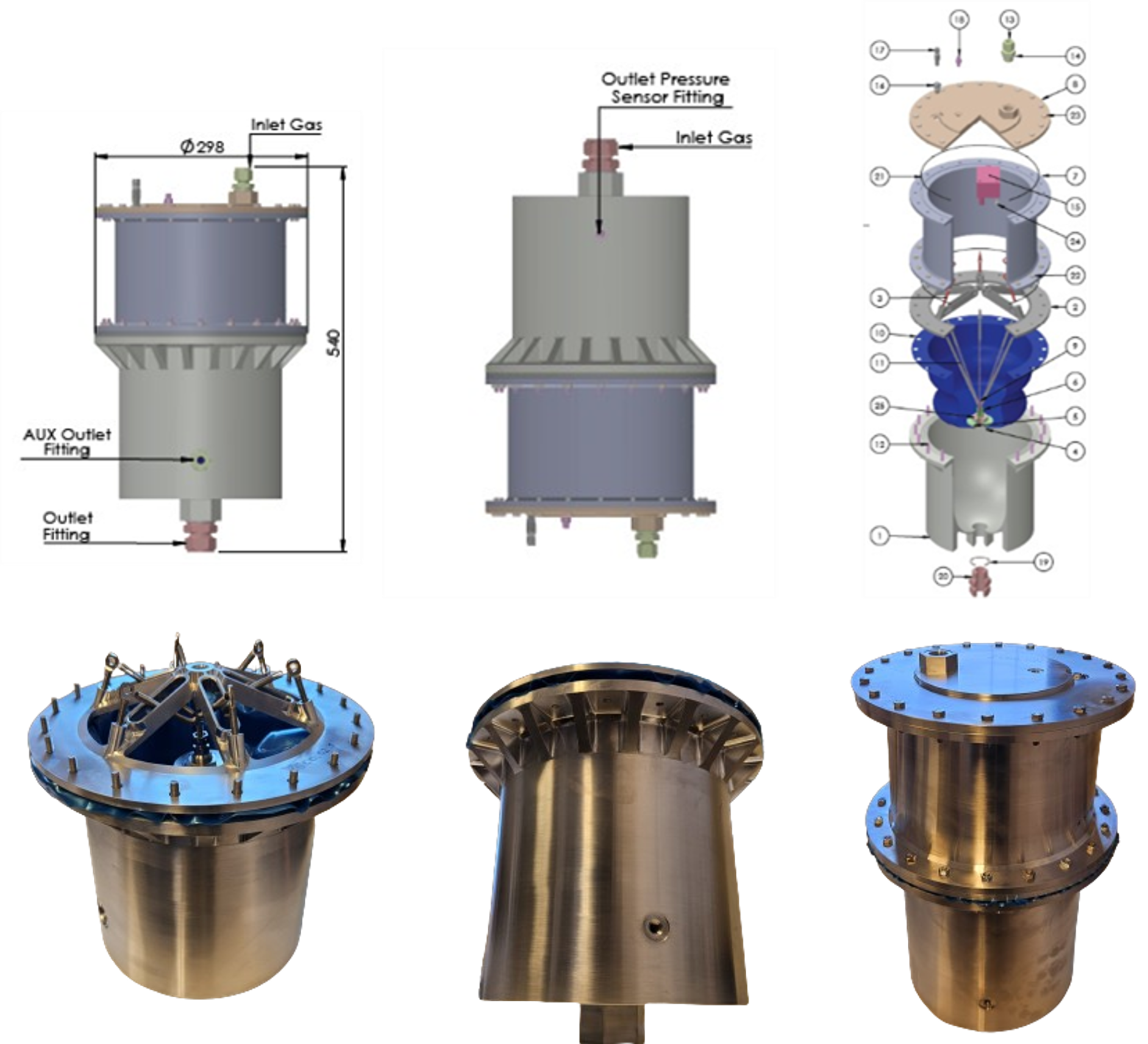
Internal architecture.
Explore the main elements of Vertue OPM architecture through its labelled internal section view. Select each subsystem to highlight its position and understand its role within the module.
Three families. One modular architecture.
Vertue OPM is conceived as a scalable orbital propulsion platform, structured in three main families and optimised for different payload classes, total impulse requirements and mission envelopes.
Designed to scale with the mission
The Vertue OPM family is based on a modular design philosophy that allows the same architectural principles to be extended across multiple configurations, from compact orbital transport solutions to larger mission-oriented vehicles.
Thanks to the optimisation of tank volume distribution, structural efficiency and interface logic, each variant can be tailored to the target launcher, payload mass and required mission ΔV, while preserving common design drivers and system coherence.
| Variant | Ø D1 [mm] | H1 [mm] | H2 [mm] | Volume [l] | Propellant mass [kg] | Ks |
|---|---|---|---|---|---|---|
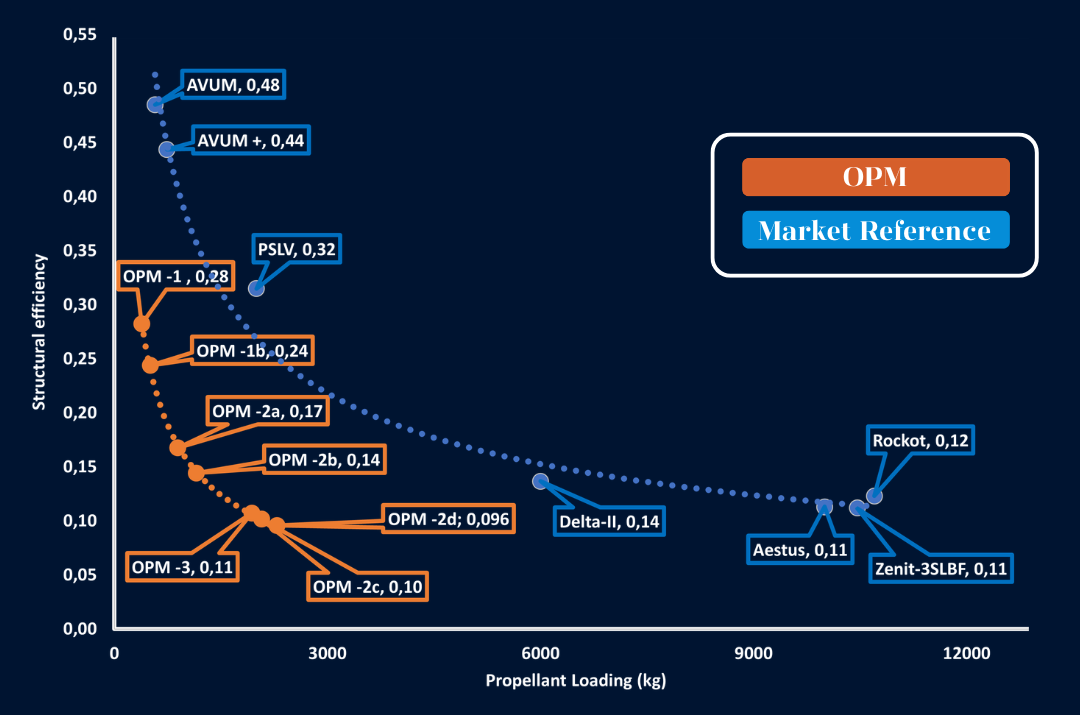
| OPM-1 | 937 | 675 | 870 | 321 | 385 | 0.28 |
| OPM-1b | 937 | 800 | 995 | 423 | 507 | 0.24 |
| OPM-2a | 1194 | 800 | 995 | 744 | 893 | 0.17 |
| OPM-2b | 1194 | 1000 | 1195 | 960 | 1152 | 0.14 |
| OPM-2c | 1194 | 1800 | 1995 | 1728 | 2073 | 0.10 |
| OPM-3 | 1666 | 950 | 1145 | 1616 | 1939 | 0.11 |
| OPM-2d | 1194 | 2050 | 2250 | 1908 | 2290 | 0.096 |
Compatible by design with different launcher ecosystems
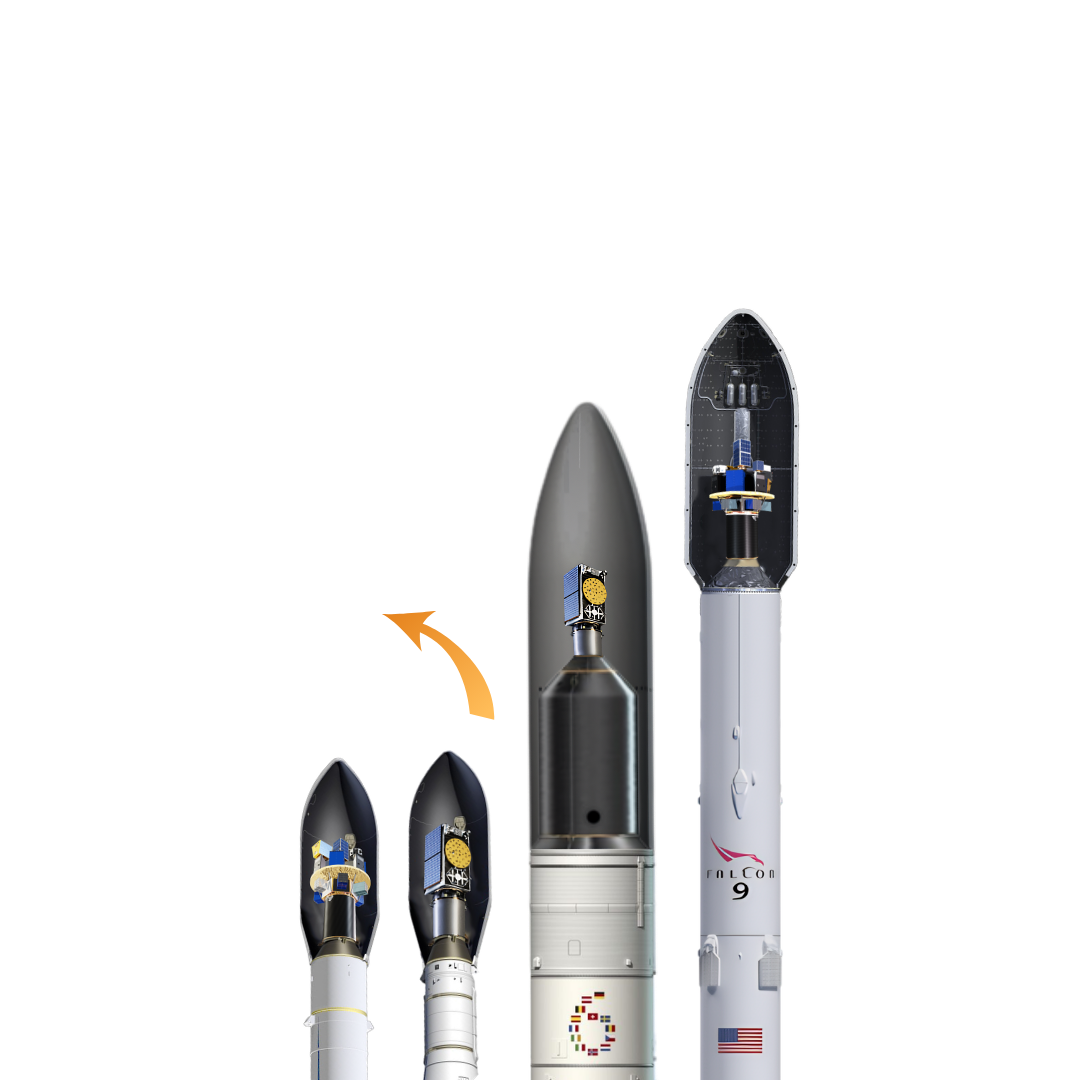
Vertue OPM is conceived to interface with standard Payload Launch Adapters and may also be configured for launcher-vehicle integration as an upper-stage-like orbital transportation module.
The architecture is compatible with Western launcher environments and is particularly aligned with Vega-class mission logic, while also enabling secondary-payload opportunities for Ariane and Falcon scenarios.
- Compatibility with standard payload adapter logic
- Suitable for Vega-class orbital transfer mission profiles
- Potential integration as secondary payload for Ariane and Falcon
- LightBand-based options for smaller payload accommodation
- High flexibility across payload mass and mission ΔV classes
Best structural efficiency in the market.
Mission capability unlocked
- Galileo satellite in MEO orbit at 29,500 km semi-axis and 56° inclination
- GTO with Vega C+/E up to 1150 kg
- Direct GEO with Vega C+/E over 540 kg
- Exploration missions: Moon, lunar landing, Mars and Venus
- IOS missions, when suitably integrated with other modules
- Additional 400 kg payload capability for Space Rider mission profiles
A modular avionics architecture for autonomous operations.
Vertue OPM may be configured as a bare propulsive module or as a fully autonomous spacecraft thanks to the integrated modular avionic system hosted inside the Avionic Canister.
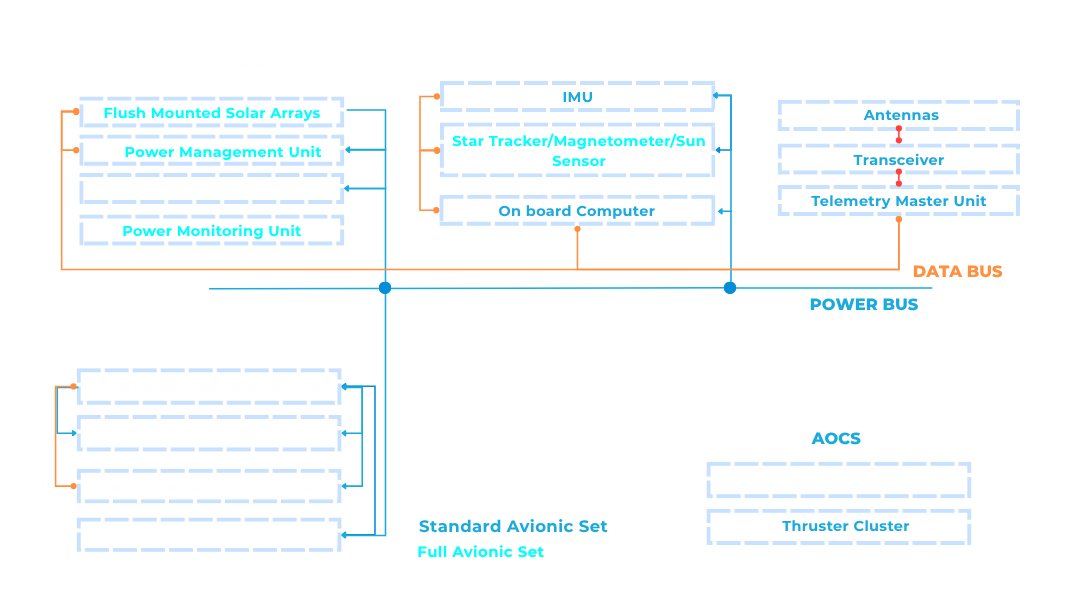
Avionic subsystem block diagram.
The architecture may be configured as Base Avionics Set, Standard Avionics Set or Full Avionics Set, according to mission autonomy and operational needs.
Compact, removable and mission-configurable.
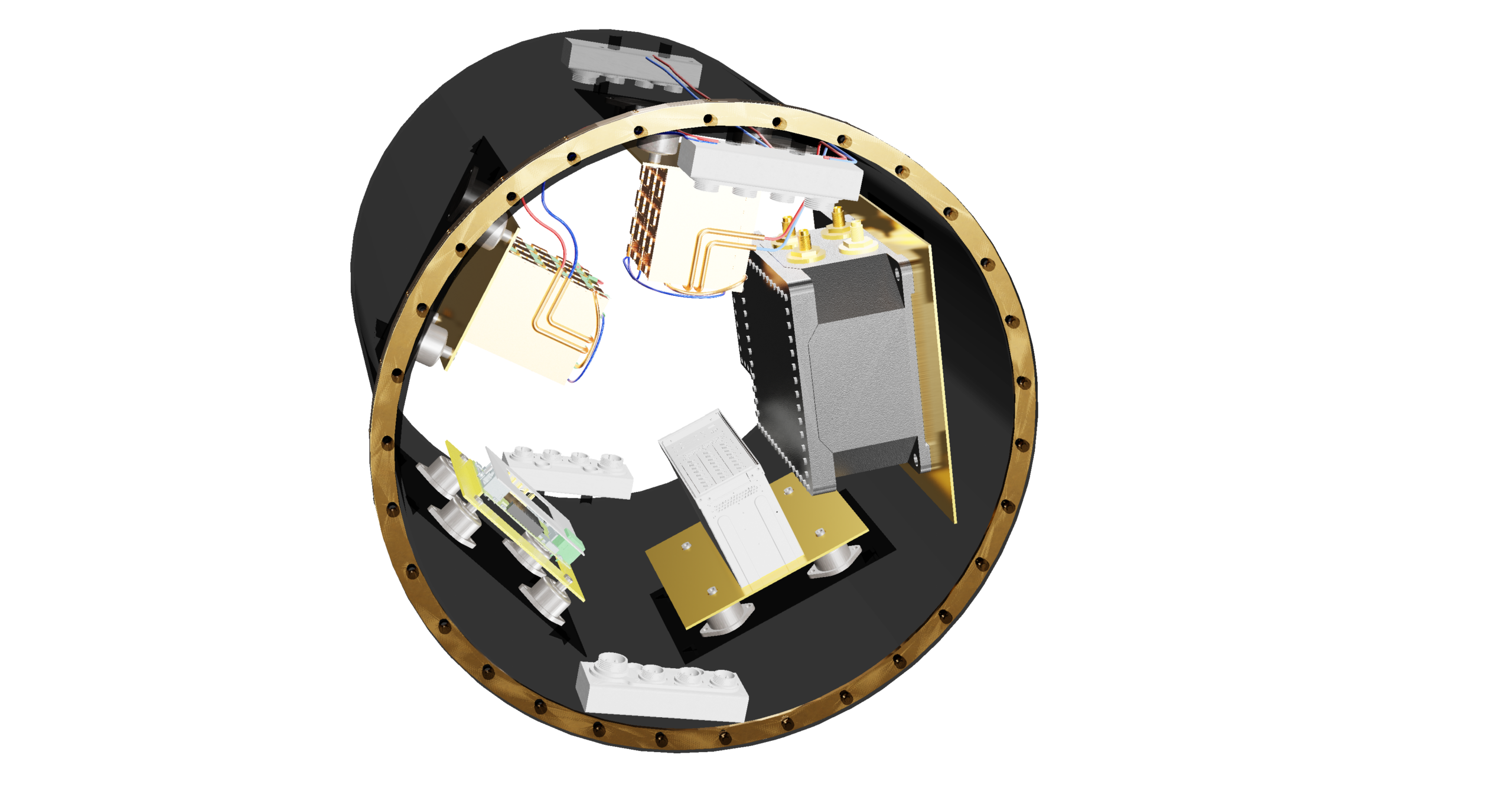
The Modular Avionic System is physically allocated into an Avionic Canister, easily removable and integrated in the Main Tank inner bore.
The full configuration integrates core subsystems including Guidance, Navigation and Control (GNC), Telemetry and Telecommand (TT&C), Thrust Vector & Engine Control (TVEC), Power Management and optional AOCS enhancements.
Power Management
Flush mounted solar arrays, power distribution and conditioning, avionic battery support, and real-time power monitoring for spacecraft loads and engine control functions.
What Vertue OPM unlocks.
Vertue OPM enables orbital logistics, last-mile delivery, launcher enhancement, reusable mission support and exploration applications through a flexible and scalable propulsion architecture.
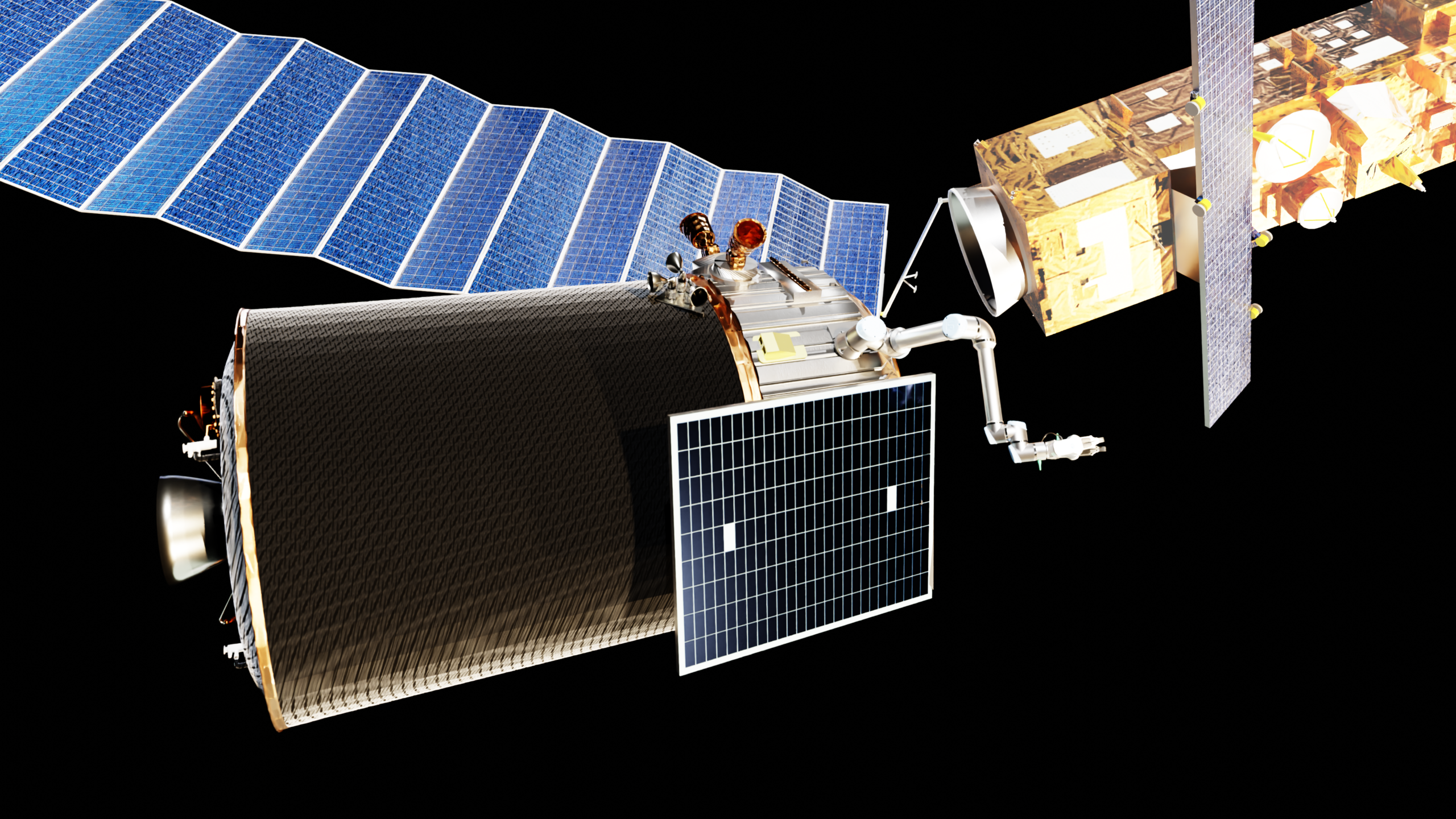
In-Orbit Servicing
Active debris removal, active de-orbiting, refuelling, repair, inspection and servicing scenarios for spacecraft already operating in orbit.
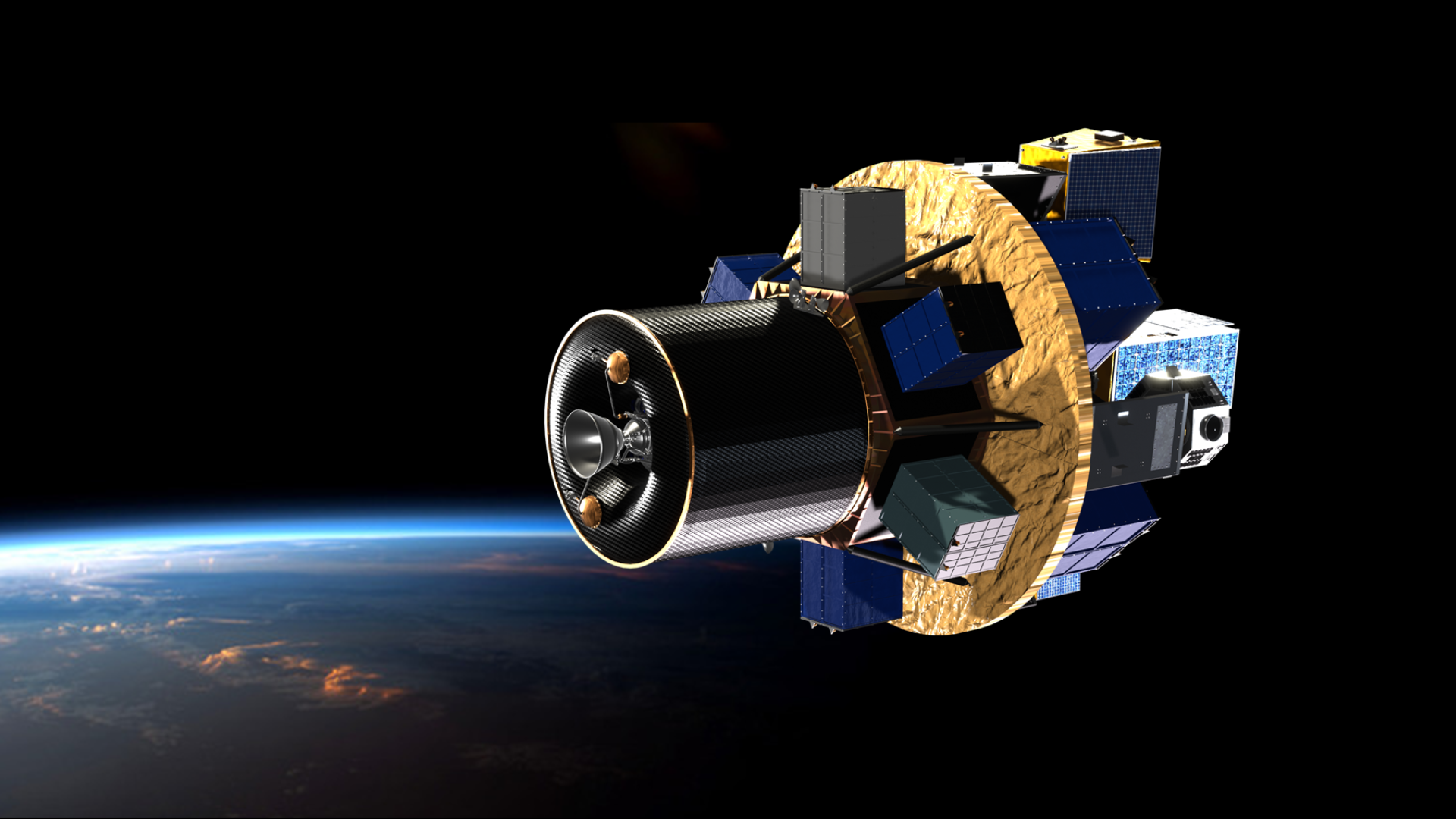
Last-Mile Delivery
SSMS and rideshare deployment missions, constellation positioning and targeted delivery from release orbit to the final operational orbit.
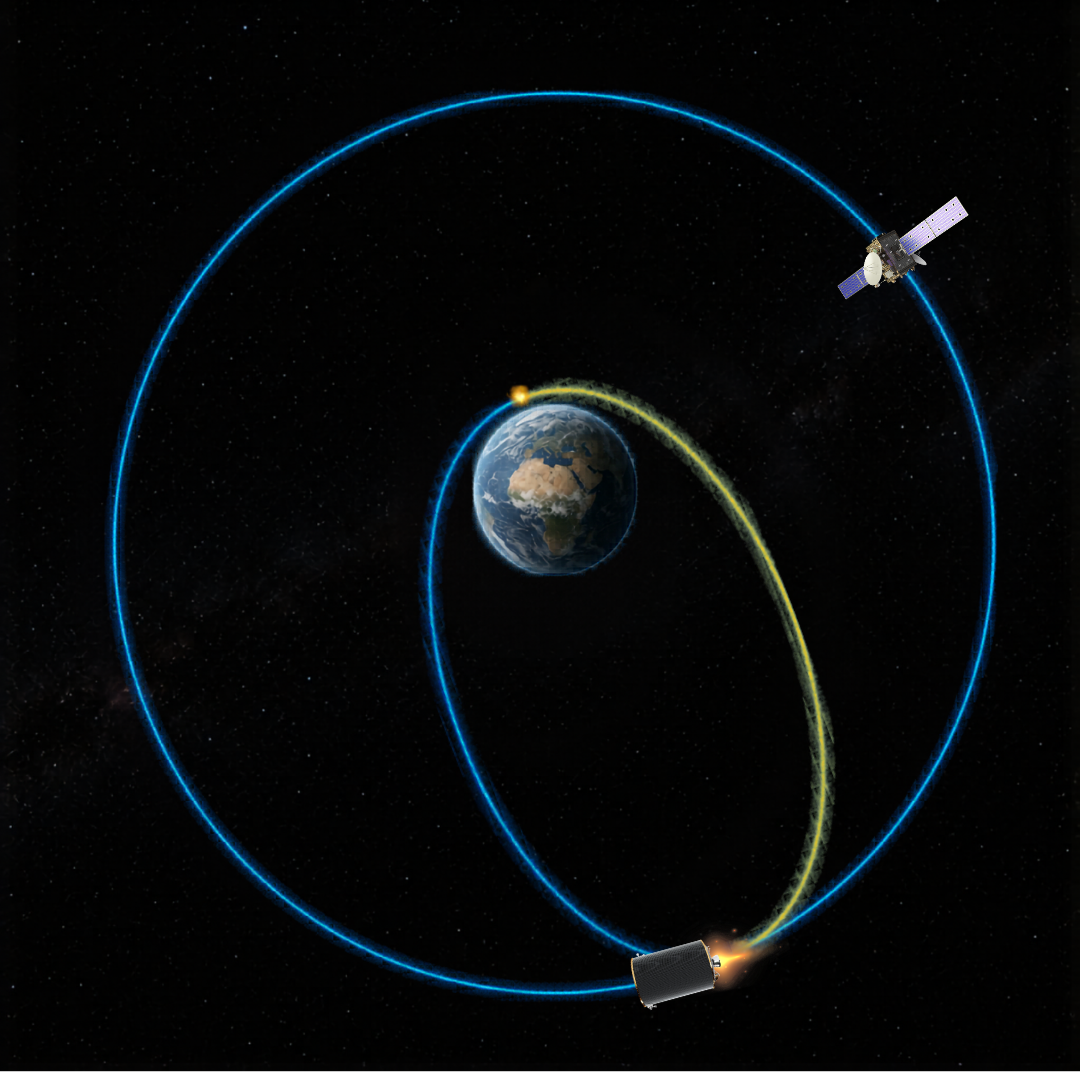
Launcher Enhancement
Vega C+/E kick-stage use cases, GTO to GEO transfer and higher-energy delivery profiles for advanced orbital transportation.
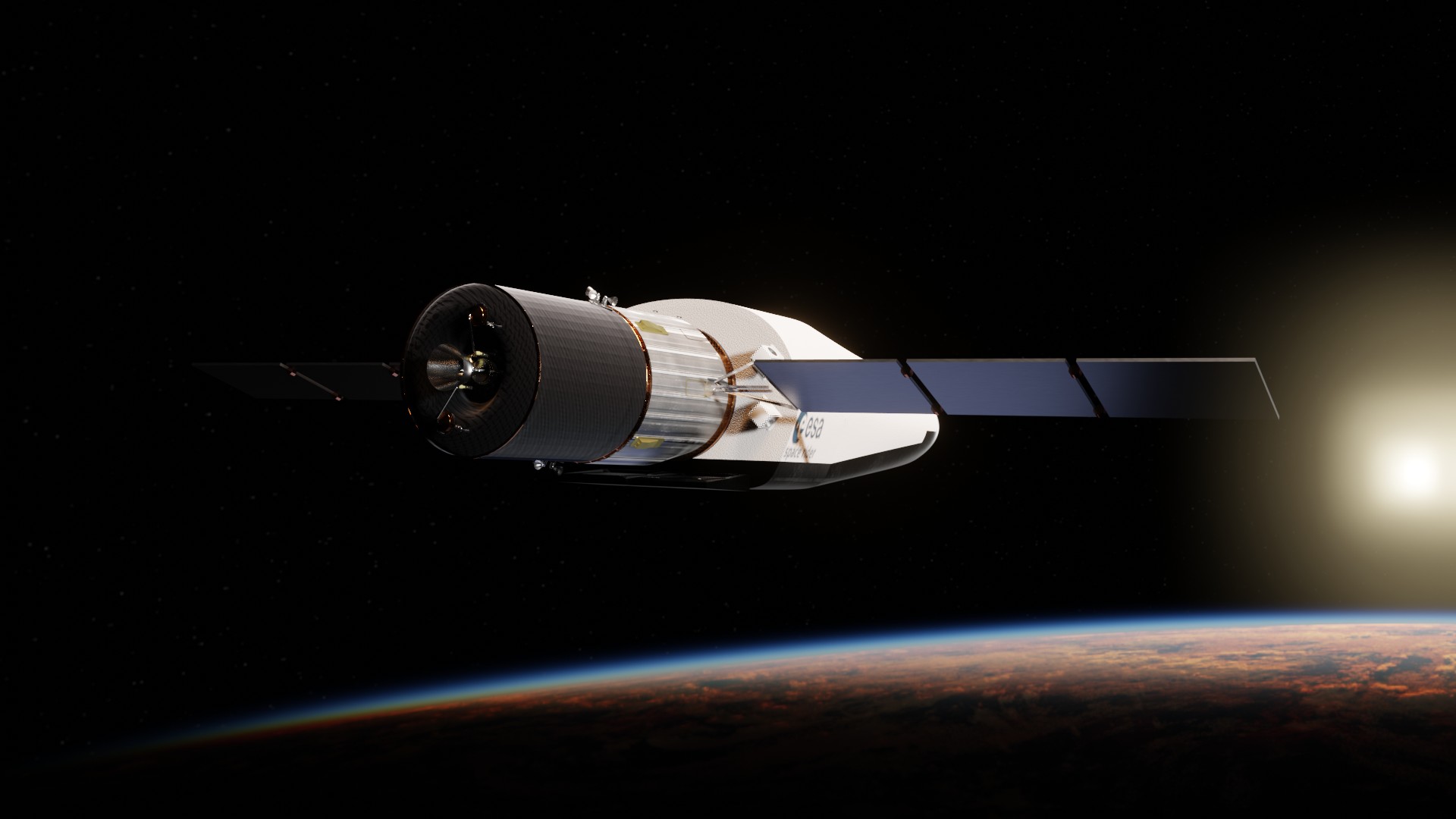
Reusable Spacecraft Support
Support for reusable orbital vehicles such as Space Rider, including additional payload capability and propulsive service functions.
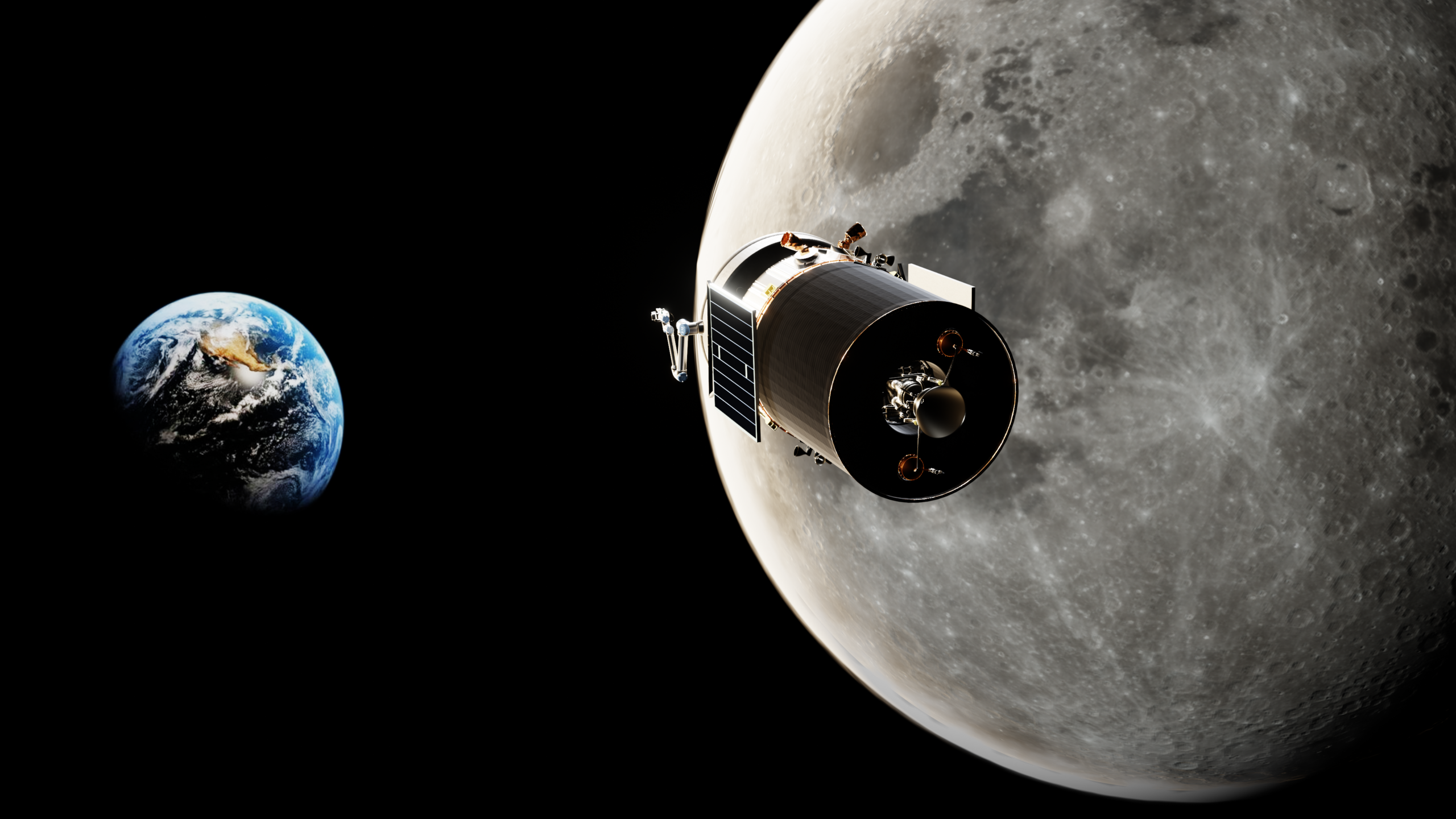
Exploration Missions
Lunar shuttle, lunar landing support, Mars transfer and other advanced exploration scenarios enabled by scalable propellant loading and modular mission design.